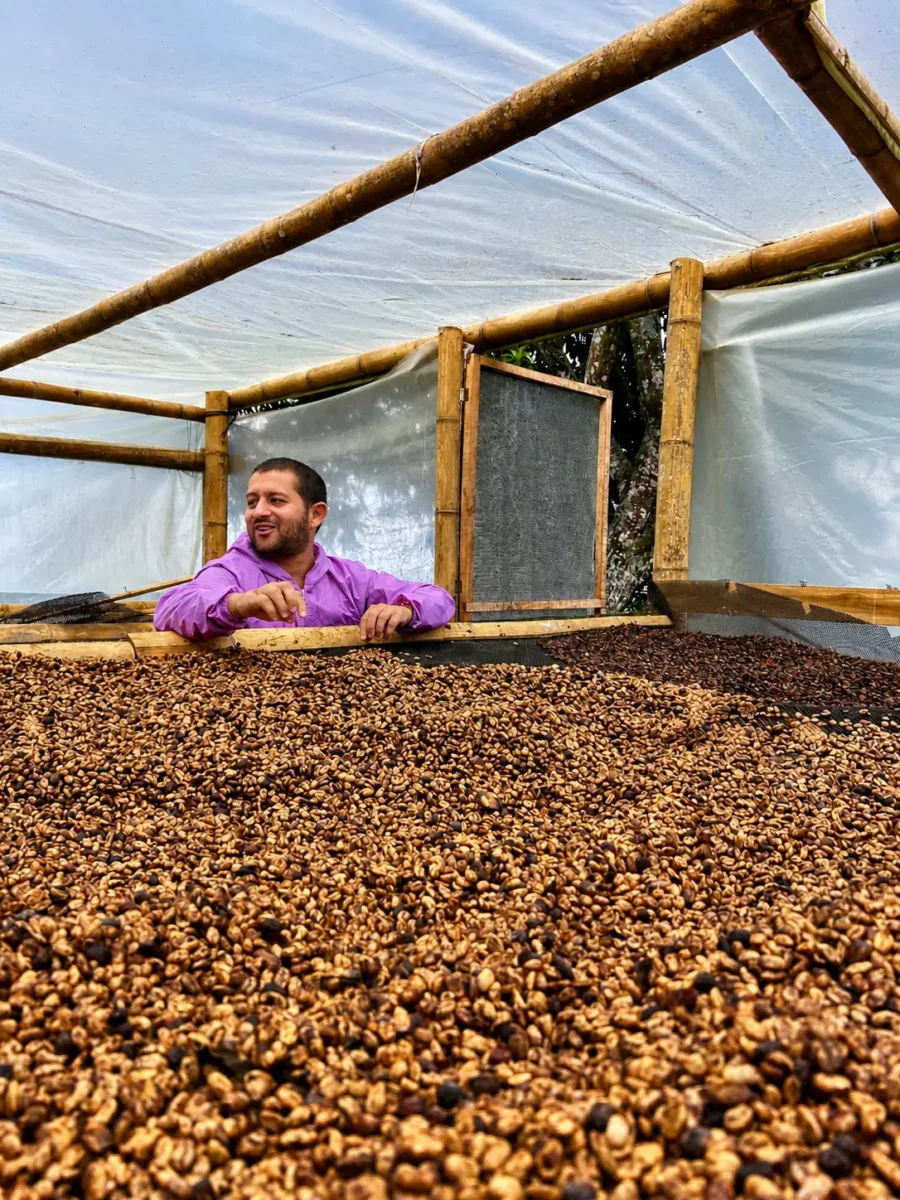
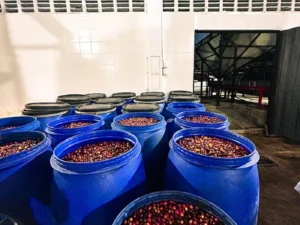
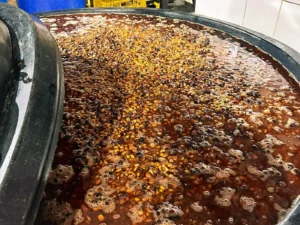
We first met Juan in the cupping lab when he was working with José Giraldo of Café 1959 in Quindío, Colombia — a diligent cupper and student of all things coffee. We stayed in touch on and off, and eventually he amicably parted ways with José to pursue his own path in coffee by launching Sens Coffee.
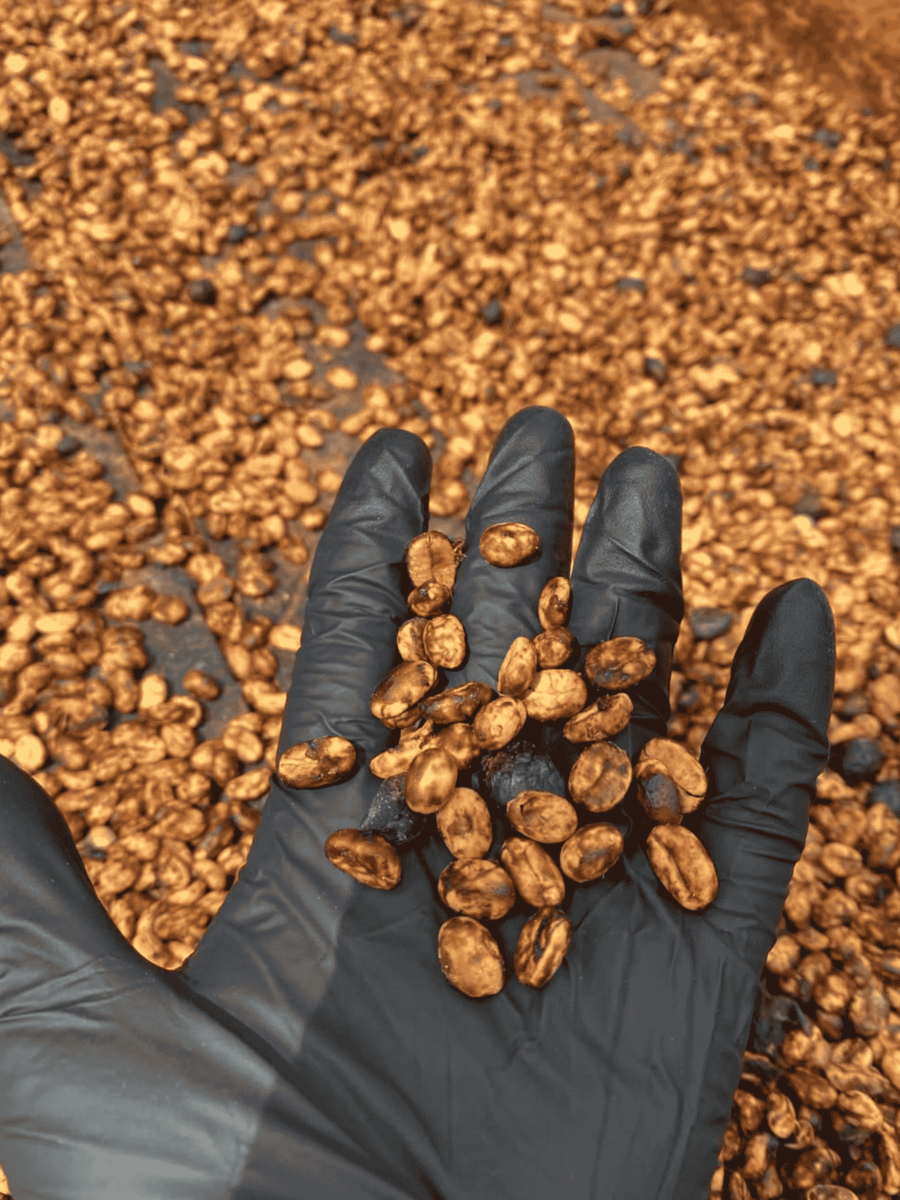
We’re excited to partner with Juan as he’s developing a style of processing that we’ve never seen before, called “Osmotic Dehydration”.
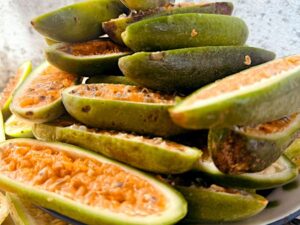
Co-fermentation with fruit is something we’ve seen for a few years now, with admitted mixed results in the cup. Our philosophy has always been producer-forward while respecting honesty and traceability in the delivered product. With Juan and Sense, we’re not only believers in their vision, but also in the resulting cup.
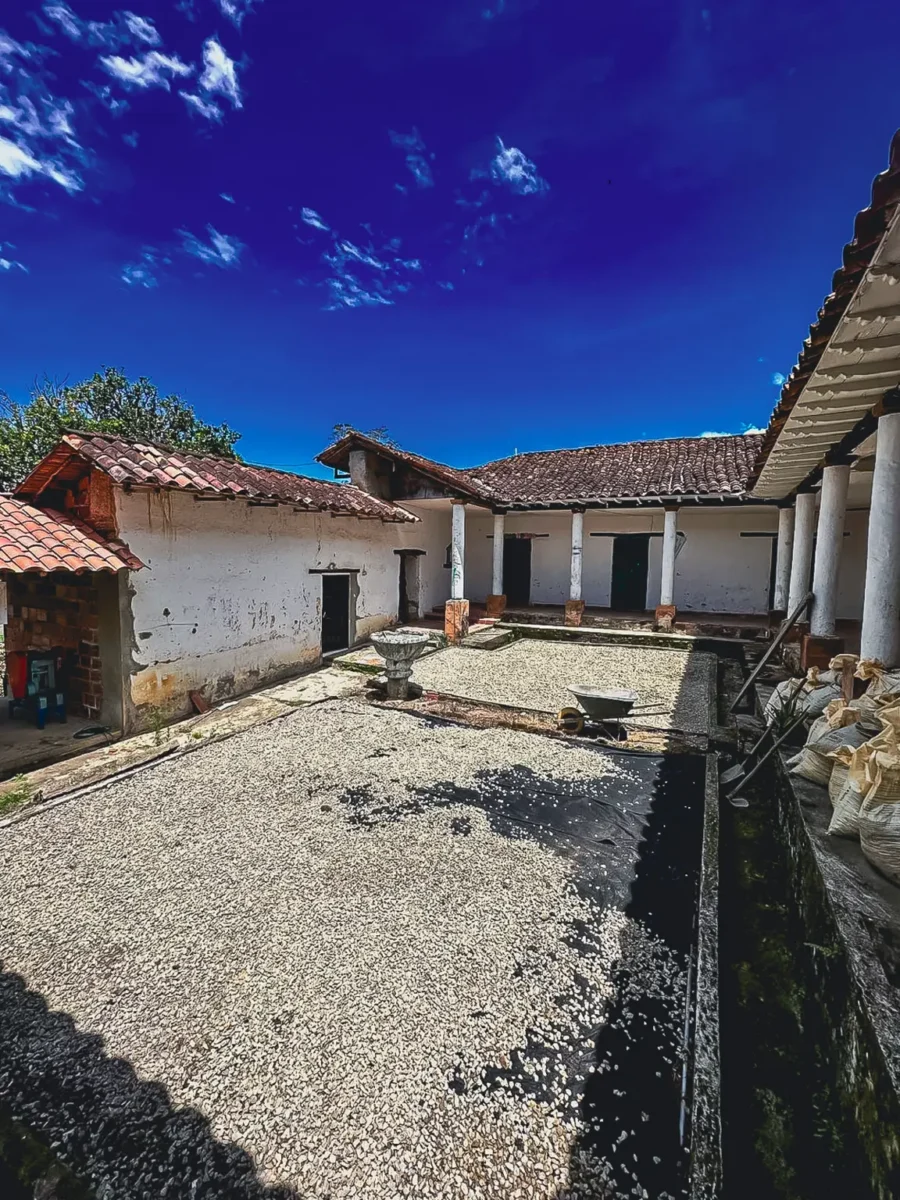
We were particularly interested in working with Juan for this exact reason: New science and new methods are necessary in coffee production in order to avoid having to go “further up the mountain” to find new growing regions in a warming planet. Many farms at La Sirena’s elevation have already made the choice to leave coffee behind, switch to other crops or convert to tourism. Juan’s methods have brought new life to Finca La Sirena, a traditional Colombian coffee farm sitting just under 1400 masl.